
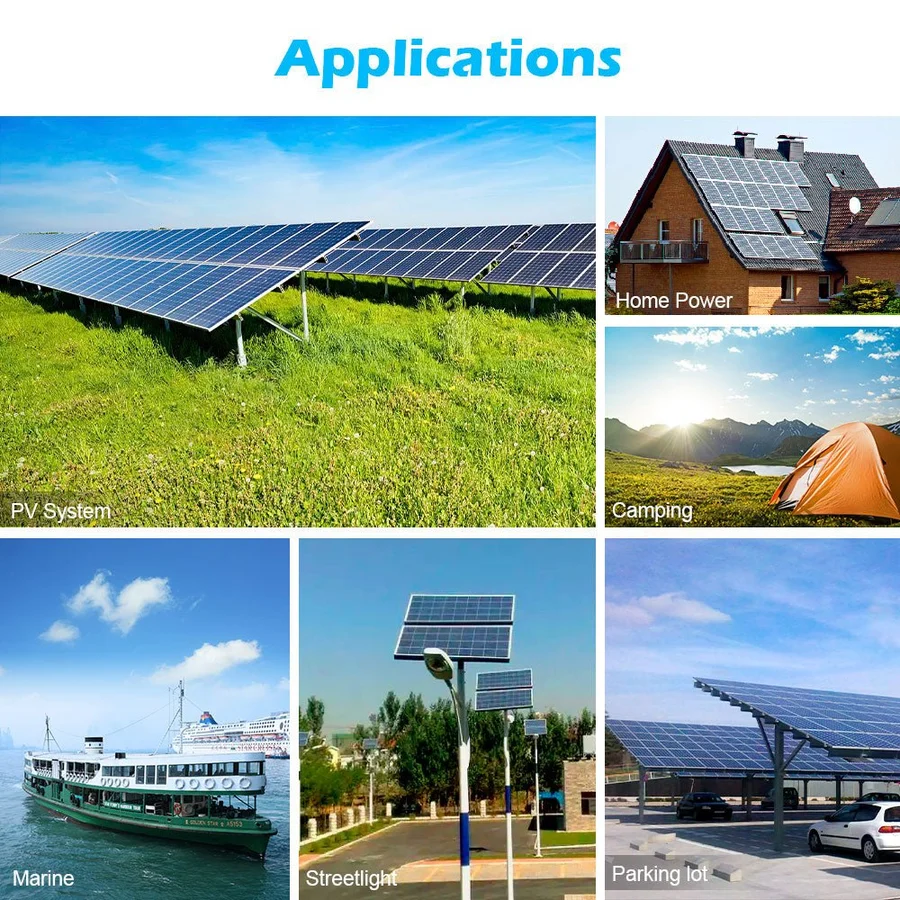
Buying solar panels for a house is a capital purchase, and it deserves to be judged like one. The modules themselves are the cheapest major component in most systems and the easiest to compare, because wattage, efficiency, and warranty terms are printed on every spec sheet. What separates a sound purchase from an expensive mistake is whether the system you build around those panels actually lowers what you pay the utility each month, and whether the hardware is still covered when something fails in year twelve.
This breakdown uses published retail pricing and manufacturer specifications so you can compare quotes on the same basis, then estimate a realistic payback window before you sign anything.
What Solar Panels for Sale Cost Right Now
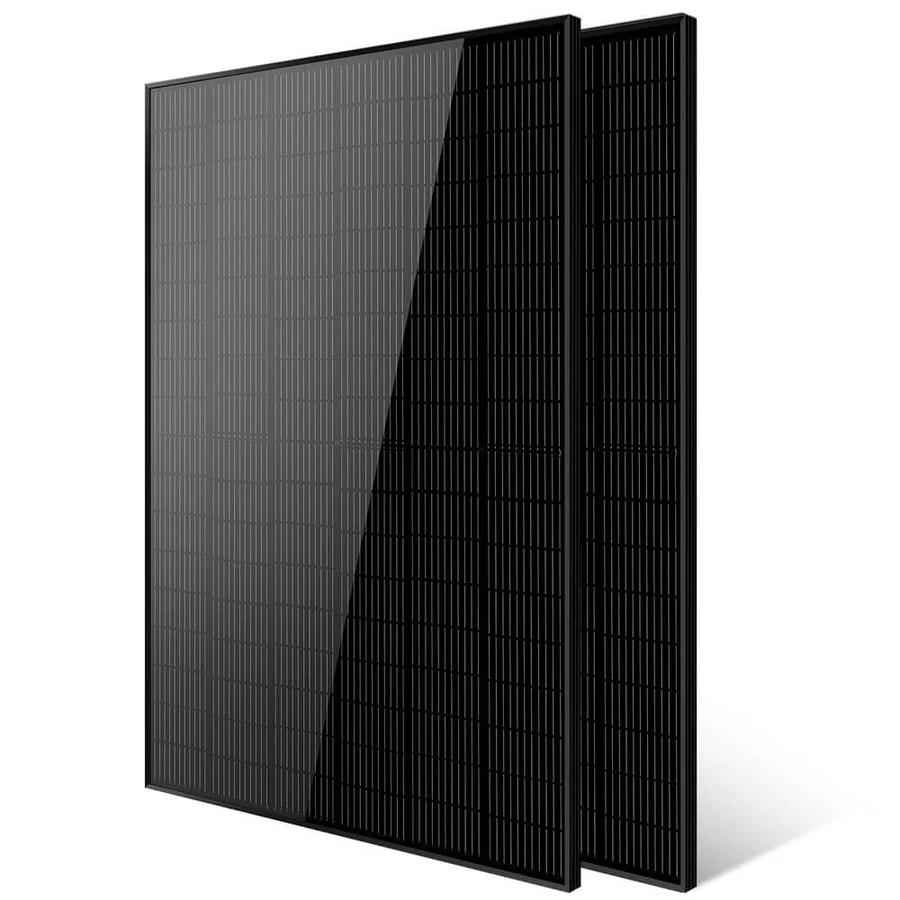
Retail pricing for individual panels sits in a fairly narrow band for mainstream sizes, with premium brands and specialty modules above it. Solar Factory Outlet lists panels starting at $150 per unit, with a typical 400W residential panel running between $150 and $300 and per-watt pricing starting around $0.25. Solar Factory Outlet lists the Hyundai 435 Watt bifacial panel starting at $283. Signature Solar’s large module listings show the Seraphim 450W bifacial at $162.00 with a sale price of $139.50, the Waaree 540W bifacial at $172.80, and the EG Star 440W bifacial at $171.60. One retailer prices its top-tier brand panels in the $300 to $400 range.
Panel | Listed price | Approx. cost per watt |
|---|---|---|
Seraphim 450W bifacial | $162.00, sale $139.50 | $0.36 list, $0.31 on sale |
Waaree 540W bifacial | $172.80 | $0.32 |
EG Star 440W bifacial | $171.60 | $0.39 |
Hyundai 435W bifacial | From $283 | $0.65 |
Typical 400W residential panel | $150 to $300 | Roughly $0.25 and up |
Notice how the headline price of a panel can mislead. A $171.60 module producing 440 watts and a $139.50 module producing 450 watts are close on cost per watt, while the higher-priced 435W option costs roughly twice as much per watt. That gap buys efficiency and a longer warranty, which matters most when roof space is tight. Retailers also carry a wide size range, from small trickle charge panels in the 10 to 20 watt class up to commercial modules above 400 watts, so match the module to the job rather than to the biggest number on the page.
How to Read a Panel Spec Sheet Before You Buy
Wattage and cost per watt
Divide the price by the wattage and you get a number you can compare across brands instantly. Use the same basis every time: if a retailer advertises a sale price, calculate cost per watt on the sale price, then check what happens when the promotion ends. A panel that looks cheap at $0.31 per watt and returns to $0.36 per watt changes the math on a twenty-panel array by a meaningful amount, so build your budget around the regular price.
Efficiency and bifacial output
Bifacial panels capture light on the rear face as well as the front. GoGreenSolar advertises the Hyundai 435W bifacial as harvesting up to 30% more power through bifacial cells, with an efficiency rating of 22.28%. Rear-side gain depends on what sits behind the panel. A white membrane roof or light gravel surface reflects more light than dark shingles, and a ground mount on reflective ground usually performs better than a tight roof mount. Treat the 30% figure as a best-case ceiling, not an average.
Warranty length as a financial term
A warranty is a promise about future cash flows, because it determines who pays for a replacement module. SunGoldPower backs both its monocrystalline and bifacial residential panels with a 25-year warranty. GoGreenSolar advertises a 25-year product warranty plus a 30-year performance warranty on its Hyundai bifacial panel. When you compare two quotes, put the warranty terms side by side with the price, since a cheaper panel with a short warranty can cost more over the life of the array.
Payback Math for a House System
Payback is total installed cost divided by annual savings. Panels are one line item in that total. Racking, wiring, disconnects, an inverter, permits, and labor all add up, and a battery adds more again. That is why two homeowners buying identical panels can see payback periods that differ by years.
Reduced monthly utility costs
The savings side of the equation starts with your own usage history. Pull twelve months of utility bills and note the kilowatt hours used each month, then compare that with the production a proposed array should deliver. A system sized to your annual consumption offsets the most expensive portion of your bill, and the utility credit you receive for exported power depends on your local rate structure. Verify current rules with your utility, because they change and they vary widely by state and provider.
Protection against grid rate increases
Every kilowatt hour you generate yourself is a kilowatt hour you do not buy at whatever the utility charges that year. That is the real hedge. Retail electricity prices have moved up over time in most markets, and a system with a 25-year warranty keeps producing long after the equipment cost is recovered. The value of that hedge grows as rates rise, which is why payback estimates based on today’s rates tend to be conservative rather than optimistic.
Where batteries change the math
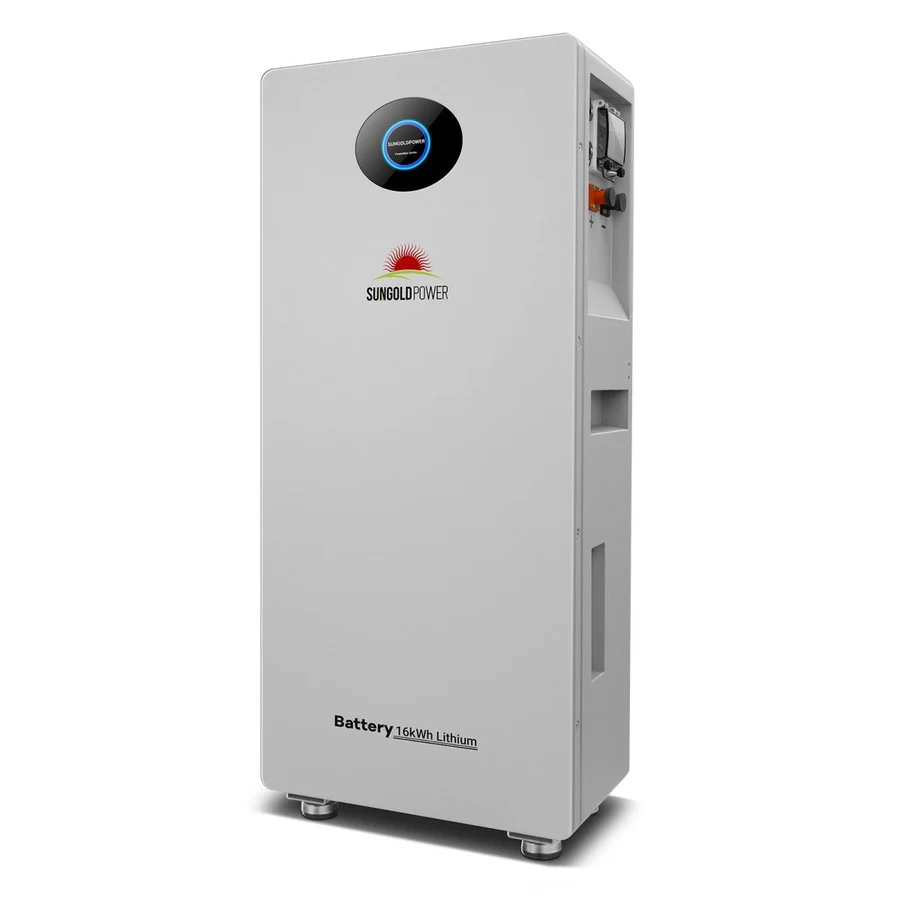
Storage shifts the calculation from pure bill reduction to reliability. A battery keeps critical loads running during an outage, and A1 SolarStore’s own content marketing points out that blackouts are no longer rare. Battery chemistry, capacity, and cycle life all affect the long-term cost per stored kilowatt hour, so compare lithium iron phosphate options on usable capacity and warranty rather than on sticker price alone.
Pick the System Architecture First
Panels are interchangeable across system types, but inverters and batteries are not. Signature Solar organizes its catalog around off-grid solar kits, hybrid solar kits, grid-tie solar kits, and mobile solar kits, alongside full EG4 systems. That structure reflects a real design decision you should make before shopping for modules.
System type | Best fit | What it needs beyond panels |
|---|---|---|
Grid-tie | Homes with reliable utility power and favorable net metering | Grid-tie inverter, no battery required |
Hybrid | Homes that want bill savings plus backup | Hybrid inverter and a battery bank |
Off-grid | Cabins and remote properties with no utility service | Off-grid inverter, larger battery bank, charge controller |
Mobile | RVs, trailers, and portable setups | Compact inverter and portable storage |
SolarFactoryOutlet.net stocks inverters in hybrid, off-grid, and grid-tie configurations from brands including EG4 and PowerMr, lithium iron phosphate batteries in wall mount, rack mount, and powerwall formats, complete kit bundles that combine panels with inverters and batteries, and larger commercial energy systems such as BigBattery ETHOS bundles. Delivery runs one to seven business days, which keeps a DIY install on schedule. Buying panels and electronics from one place also simplifies warranty claims if a component fails, since you are not chasing three separate vendors.
Solar Panels and Home Resale
Solar-equipped homes do show up in ordinary real estate searches rather than a niche corner of the market. Zillow returned 110 homes for sale in Austin, Texas matching solar panels, and 315 in San Antonio. Dedicated green home marketplaces also list solar-powered properties for buyers who filter specifically for them. That visibility tells you solar is now a normal feature rather than an oddity, and it means buyers will ask questions about it during a showing.
What the available data does not show is a consistent resale premium. Treat any specific percentage you hear as unverified until you check comparable sales in your own neighborhood. The practical step is documentation: keep the original invoice, the equipment warranty paperwork, and a year of production data. If a system was financed or leased, the transfer terms matter enormously to a buyer, so confirm them before listing. Research on resale value is mixed, which makes local comparable the only reliable benchmark.
What to Verify Before You Buy
A short checklist prevents most of the expensive mistakes in a self-directed solar purchase.
Confirm the panel’s wattage, efficiency, and physical dimensions, then measure your mounting area before ordering.
Read the warranty document, not the marketing page. Check whether coverage is product only or includes performance, and how long each lasts.
Match inverter input voltage and capacity to the array you are building, including the bifacial gain you expect in winter.
Check battery chemistry, usable capacity, and depth of discharge if you want overnight backup.
Ask your utility and local permitting office about interconnection requirements and current rate rules before installing anything.
Get shipping timelines and damage policy in writing, since modules are fragile in transit.
Done properly, panels for sale for a house are not an eco-friendly gesture with a bill attached. They are a durable asset that produces measurable kilowatt hours for decades, backed by warranties that run past the 25-year mark on several models, and paired with hardware that keeps the lights on when the grid does not. Run the numbers on your own usage first, then buy the system architecture that fits how you actually live.
Frequently Asked Questions
Can I just buy solar panels for my house?
Yes, panels are sold individually and shipped directly to homeowners, but panels alone will not power a house. You also need an inverter to convert DC output into usable AC power, plus racking, wiring, disconnects, and often a battery if you want power after dark. Retailers list modules from small 10 to 20 watt trickle chargers up to commercial panels above 400 watts.
How much do solar panels cost for a 2,000 sq ft house?
Published retail pricing puts most residential panels between $150 and $300 each, with premium models starting at $283. A 2,000 square foot house needs however many panels match its annual consumption, so count your kilowatt hours first. Because that number varies with climate, insulation, and appliance load, no fixed per-square-foot price applies. Get a quote based on your usage history.
Is it worth buying a house that already has solar panels?
It can be, if the system is owned outright and the equipment warranty transfers to you. Ask for production history, the inverter model, battery age, and the original contract. Listings with solar appear in standard searches, including roughly 110 in Austin and 315 in San Antonio at the time of writing. Verify how the system was financed before making an offer.
Why can it be hard to sell a house with solar panels?
The most common complication is a lease or a power purchase agreement, where the buyer must qualify for and assume the contract. Outright-owned systems with transferable warranties are simpler to hand over. Panel condition, inverter age, and missing production records also raise questions. Resale premium data is inconsistent, so check local comparables and request documentation from the seller.
How long do solar panels last?
Product warranties commonly run 25 years, and performance warranties extend to 30 years on some models. SunGoldPower backs its monocrystalline and bifacial panels with a 25-year warranty, and Solar Factory Outlet advertises a 25-year product plus 30-year performance warranty on its Hyundai 435 watt bifacial panel. Inverters and batteries usually carry shorter coverage than the panels themselves, so plan replacements accordingly.