
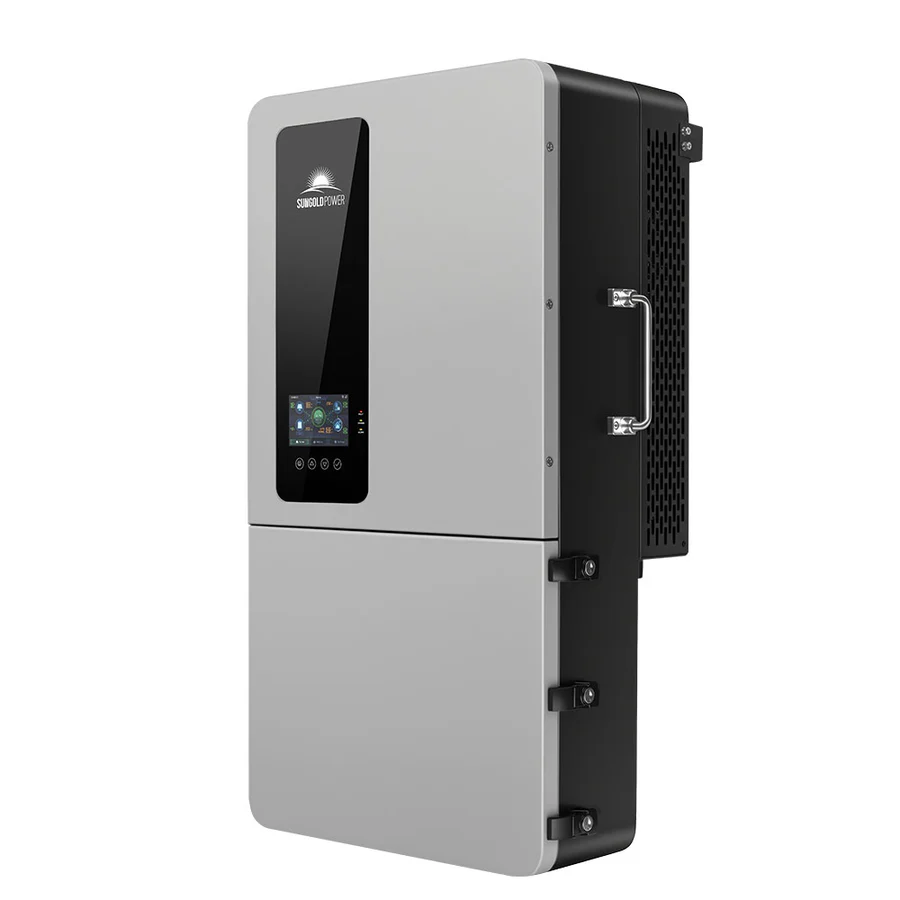
Hybrid inverter systems are one of the most flexible ways to manage solar power at home or in a small business. Instead of forcing you to pick between solar production and battery storage, a hybrid inverter handles both through a single device. For anyone building a new solar setup or upgrading an existing one, understanding how these systems work can help you choose the right equipment the first time.
In simple terms, hybrid inverters combine the benefits of regular solar inverters with the flexibility of battery inverters into one piece of equipment. That makes them a natural fit for off-grid and backup power systems, as well as for homes that want to keep the utility grid as a safety net. The same core technology applies whether your project is a cabin, an RV, or a residential backup system.
What Is a Hybrid Inverter System?
A hybrid inverter system is a 2-in-1 solution that combines solar and battery management into a single unit. It converts direct current (DC) from solar panels into alternating current (AC) for your appliances, and it also manages the flow of solar power into a connected battery.
Unlike a standard solar inverter that only sends power to your home or the grid, a hybrid inverter can do several jobs at once. It can take in power from solar panels, store extra energy in a battery, and draw power from the utility grid when needed. Some models are true all-in-one systems that include an inverter, charge controller, display, and remote monitoring in a single enclosure. Others act as an inverter and battery manager that connects to separate solar and battery components.
Homeowners, RV owners, and small business operators use these systems when they want battery backup without running two separate inverters. For someone starting from scratch, a hybrid inverter can simplify the electrical design because one device handles the main power conversion jobs.
How Does a Hybrid Inverter System Work?
The operating principle is straightforward. A hybrid inverter converts DC into AC using solar PV power generation or other sources. When your solar panels produce more electricity than your home is using, the inverter can direct that excess power into a battery instead of wasting it or sending it all to the grid.
The hybrid inverter also speeds up the charging process for solar power stored in a connected battery. When the sun goes down or when the grid goes out, stored battery power can be converted back into AC and sent to your appliances. Because the same equipment can communicate with the utility grid, hybrid inverters are often described as combining the functions of grid-tied and off-grid systems.
The exact setup varies by product line. Some all-in-one units combine the inverter, charge controller, and battery monitoring behind a single display, which makes them popular for smaller installations. The inverter reads how much power is coming in, how much is going out, and what the battery state of charge is.
Key Benefits of Hybrid Inverter Systems
There are several reasons why hybrid inverter systems have become a go-to choice for solar shoppers.
Energy independence: Hybrid inverters offer a much higher level of energy independence because they can source electricity from both solar panels and storage batteries, reducing reliance on the grid.
Backup power: They are designed for off-grid and backup power systems, so you can keep essential appliances running during an outage when paired with a battery.
Simpler setup: Because the inverter and battery management features are combined, you have fewer separate components to install and wire.
Efficient operation: A hybrid inverter can keep your system running efficiently by automatically deciding whether to use solar, battery, or grid power.
Durable and installation-friendly: Many models are built with easy installation and a durable design in mind, making them practical for homes, cabins, and RVs.
These benefits explain why hybrid inverter systems show up in so many product lineups. They also explain why solar retailers often list hybrid models alongside traditional off-grid and grid-tie options, rather than treating hybrid systems as a niche product.
Hybrid Inverter Systems versus Off-Grid and Grid-Tie Inverters
Shoppers often compare hybrid inverter systems against two other common categories: off-grid inverters and grid-tie inverters. The table below outlines how each one handles solar input, battery support, and grid interaction.
Main job | Hybrid Inverter | Off-Grid Inverter | Grid-Tie Inverter |
|---|---|---|---|
Solar management | Manages solar, battery, and grid power in one unit | Powers a system that operates without the grid | Converts solar power for grid-connected use |
Battery support | Built-in battery management for storage | Paired with a battery bank for standalone power | Focus on solar conversion, typically without battery management |
Off-grid capability | Can support off-grid and backup use | Designed for off-grid use | Intended for grid-connected setups |
Best for | Homes, cabins, and light commercial use | Remote sites, RVs, and full off-grid living | Solar owners who stay connected to the utility grid |
Keep in mind that not every product fits perfectly into one box. The exact behavior of a specific inverter depends on the manufacturer and the configuration you choose. Check the product documentation to confirm what is included, especially if you plan to add a battery later.
Common Uses for Hybrid Inverter Systems
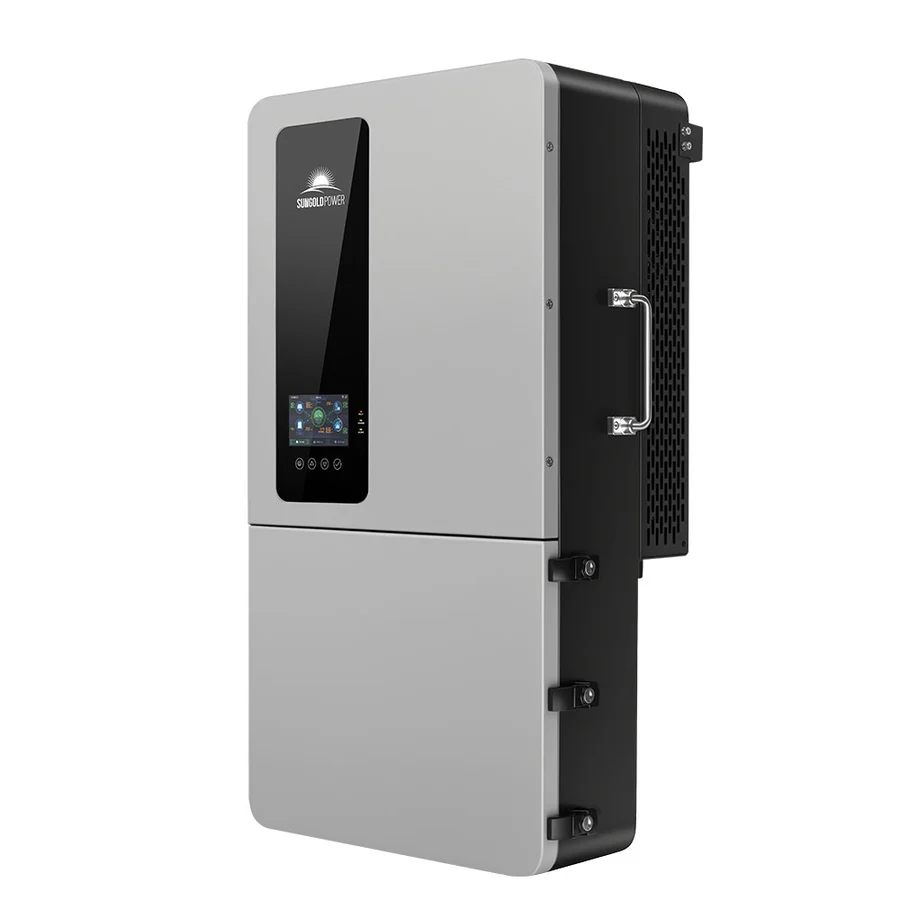
Because they can handle multiple power sources, hybrid inverter systems work well in many situations.
Off-grid power systems where the inverter is the main controller for solar and batteries.
Backup power setups that keep essential loads running during grid outages.
Cabins and RVs where space is limited and a single all-in-one unit makes sense.
Homes looking to reduce grid dependence by storing daytime solar power for evening use.
Light commercial applications that need reliable power without the cost of multiple standalone devices.
A hybrid inverter system can also be a good stepping stone for grid-connected homes. You can start with solar plus battery backup and keep the grid connection for cloudy stretches or heavy loads. The inverter manages all three inputs automatically.
What to Look for in a Hybrid Inverter System
There are a growing number of hybrid inverter systems on the market, so it pays to compare a few key points before you buy.
First, consider the brand and the level of support available. Popular names in the hybrid inverter space include EG4, Growatt, Victron, SMA, and PowerMr, with brands like Schneider also appearing in bundled solar equipment. A reputable brand with clear documentation can make installation and troubleshooting much easier.
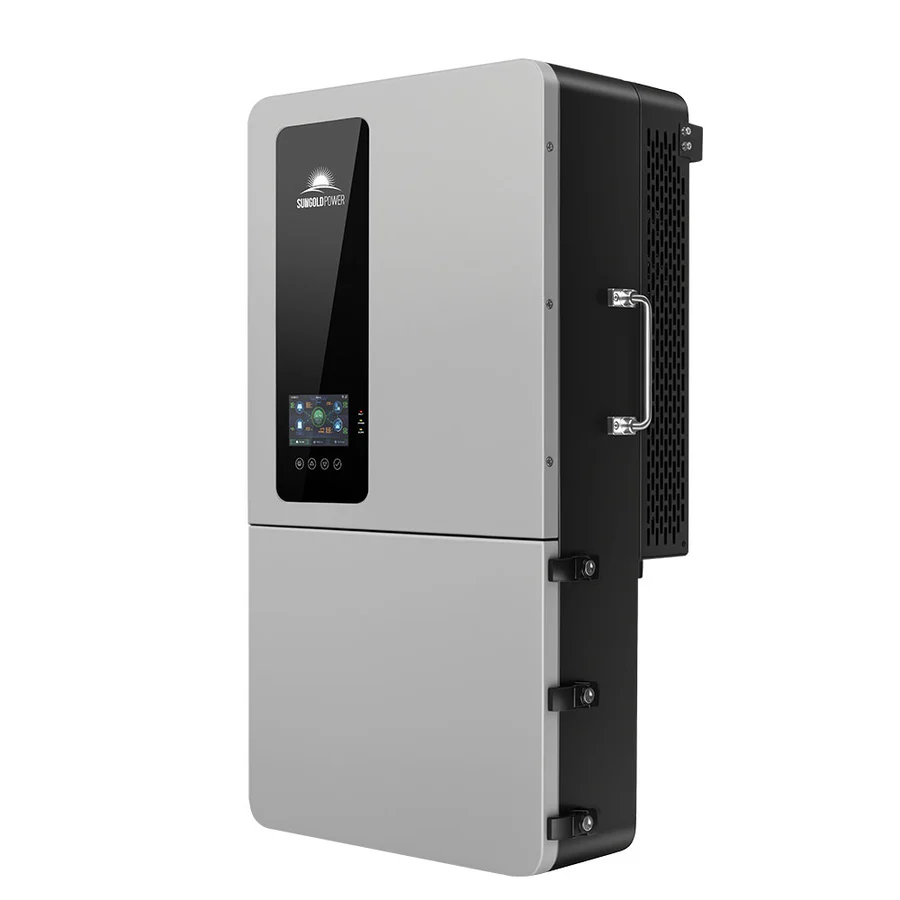
Second, decide whether you want a full all-in-one system or a modular approach. A complete hybrid inverter system often includes an inverter, charge controller, display, and remote monitoring in a single package, which reduces wiring and mounting complexity. If you already own separate components, a more basic hybrid inverter may be enough.
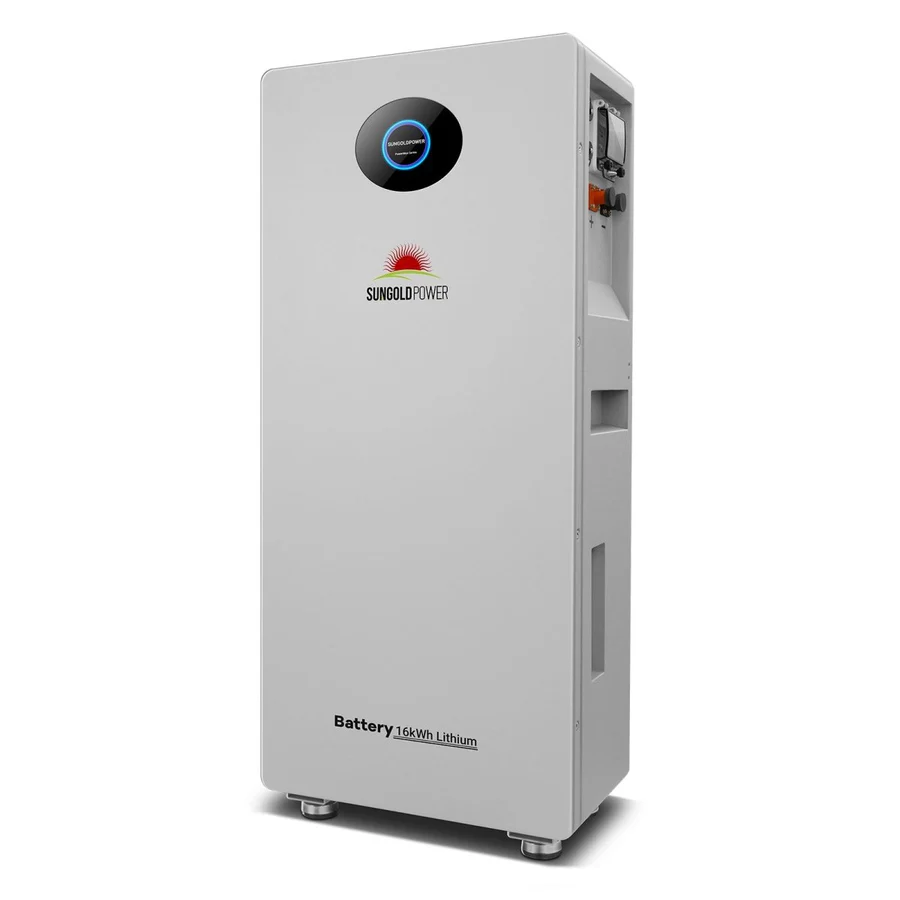
Third, think about your battery. Hybrid inverter systems are designed to work with storage batteries, so the battery voltage and chemistry need to match the inverter. Many solar retailers now pair hybrid inverters with lithium batteries, including lithium iron phosphate (LiFePO4) options, because they are compact and long-lasting.
Monitoring is worth a closer look. Many all-in-one hybrid inverter systems include a display and remote monitoring, which lets you check solar production, battery state of charge, and grid usage from a phone or computer. This can be a deciding factor if you travel or want to track your energy savings over time.
Finally, confirm what is included in the kit. Some hybrid inverter systems are sold as complete bundles with panels, batteries, and the inverter together. Others are sold as the inverter unit only. Review the specs carefully so you know exactly what you are getting.
Frequently Asked Questions
Here are answers to some common questions shoppers ask when comparing hybrid inverter systems.
What is the lifespan of a hybrid inverter battery?
The lifespan of a hybrid inverter battery depends on the battery chemistry, the number of charge cycles, and how deeply it is discharged on a regular basis. Manufacturers provide cycle ratings and warranty terms for each specific battery model, so the best approach is to check the product datasheet. Pairing your hybrid inverter with a quality storage battery and avoiding extreme temperatures will help the battery perform reliably.
What are the downsides of a hybrid inverter?
No single major downside shows up across every product listing, but there are a few things to watch. Not every hybrid inverter includes a built-in charge controller, display, or remote monitoring, so you need to verify what is included. A hybrid inverter may also cost more than a basic grid-tie inverter because it adds battery management features. Confirm your system voltage and battery compatibility before committing.
What are the best hybrid inverter systems?
Several established brands show up consistently in hybrid inverter product listings, including EG4, Growatt, Victron, SMA, and PowerMr. The best system for your project depends on your power demand, battery type, and whether you plan to stay connected to the grid. Look for a model that matches your solar array size, supports your battery voltage, and offers the monitoring features you want.
Can a hybrid inverter work off-grid?
Yes. Hybrid inverters are commonly described as combining the functions of grid-tied and off-grid systems, and they are designed for off-grid and backup power applications. When paired with a battery bank and enough solar input, a hybrid inverter can power a home, cabin, or RV without relying on the utility grid.

