
hybrid inverter
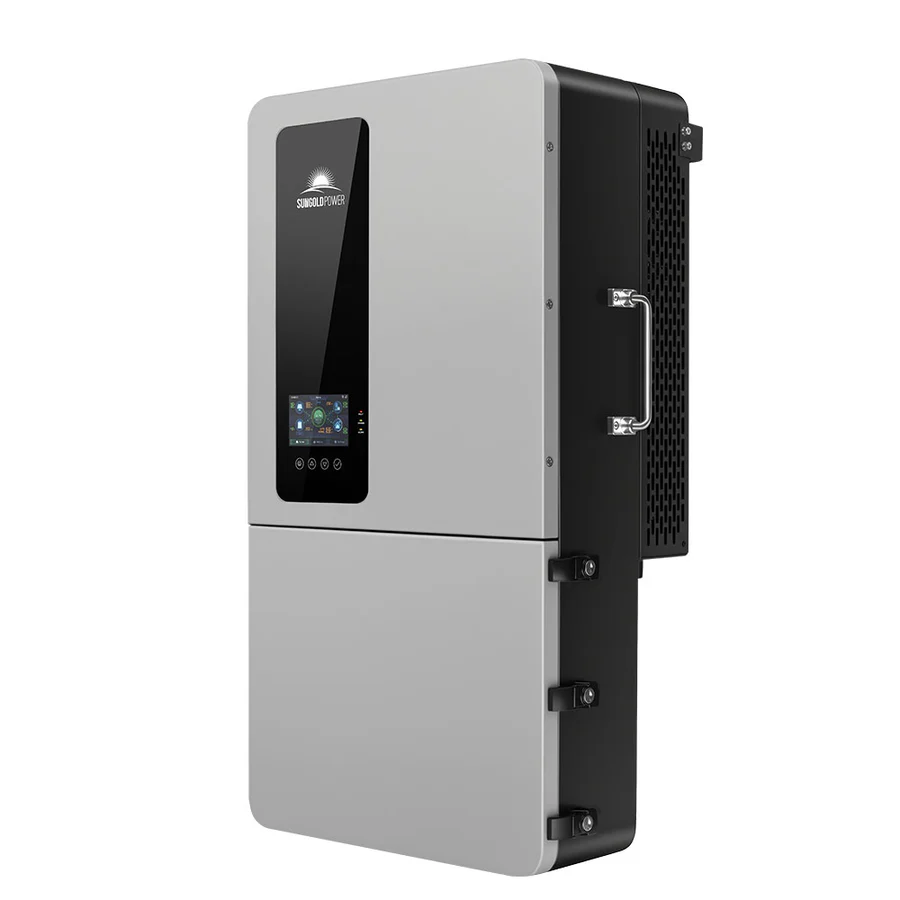
Choosing the right hybrid inverter for your home comes down to a few practical calculations. You need to know what you plan to power, how much power those devices use, and how your solar panels and batteries fit into the overall system. The process is straightforward once you break it into steps. The most important part is starting with your home’s actual energy demand instead of guessing based on the inverter’s maximum rating. When sizing a hybrid inverter, a clear list of loads will guide every other decision.
Start With a List of Everything You Want to Power
Every inverter sizing exercise begins the same way: calculating your energy needs. Make a list of all the devices you plan to power and their wattages. Include lights, appliances, electronics, pumps, tools, and any other item that will draw power from the system. This list gives you a realistic view of the load your hybrid inverter will need to support. A complete list is more useful than a rough guess, because the inverter has to handle the moments when multiple devices are running at the same time.
Write the wattage next to each device. You can often find this information on the product label or in the manual. The goal is a complete picture of the load. As you build the list, you may notice that several smaller devices add up to a much larger load than you expected.
Identify the Devices That Run at the Same Time
Inverter sizing is not just about total energy use over the day. It is also about how much power your home needs at a single moment. To choose the correct inverter, you need to know which devices can operate at the same time. The combined wattage of all simultaneously operating devices determines the maximum operating load.
Think through your daily routine. Which lights, kitchen appliances, and electronics are usually on together? Do you run a workshop tool while the refrigerator is running? Does someone use a hair dryer while the microwave is on? Add the wattages of those devices to estimate the peak load the inverter must handle.
Calculate the Maximum Operating Load
For a hybrid inverter, the maximum operating load should be the first number you calculate. The sizing process often starts with this load, then moves to solar power generation capacity and battery storage. A hybrid inverter sizing calculator can be useful later, but the manual calculation keeps you involved in the process and helps you understand the limits of the system.
-
Write down every device you plan to power and its wattage.
-
Group the devices that may run at the same time.
-
Add the wattages in each group to find the highest combined total.
-
Use that total as the minimum operating capacity for the inverter.
This peak number is the basis for choosing a hybrid inverter model. If the inverter is rated below this load, it may struggle when several appliances operate together. If the inverter is rated far above this load, it may not run efficiently under normal conditions.

Match the Inverter to Your Solar Array
The solar array and the inverter need to work as a matched pair. Inverters work most efficiently when operating near their maximum capacity, so the inverter is often sized to be roughly the same size as the solar array. At the same time, many solar designs use a DC-to-AC ratio greater than 1. In other words, the solar array can be oversized relative to the inverter’s AC output.
Inverter loading ratios usually fall between 1.13 and 1.30. In practical terms, the DC capacity of the array is often 13 to 30 percent higher than the inverter’s AC rating. This design approach helps the inverter stay closer to its efficient operating range during much of the day. It also gives the system a little extra input during periods of partial sun.
When you compare hybrid inverter models, look at both the AC output rating and the allowable DC input. The inverter has to be able to accept the DC power your solar array produces while converting that power to AC electricity for your home.
Understand the DC-to-AC Relationship
Solar panels produce direct current (DC) electricity. Homes and the utility grid use alternating current (AC) electricity. The hybrid inverter converts DC power from your solar array and battery bank into AC power that can run your appliances or be delivered to the grid. Because of this conversion, the DC input rating of the inverter matters as much as its AC output rating.
Sizing involves more than picking an AC output number. The inverter must be able to handle the DC power coming from the panels. This is why many systems rely on a standard range for inverter loading ratios. Keeping the ratio close to the 1.13 to 1.30 zone is a common way to balance production and efficiency.
Factor In Battery Capacity
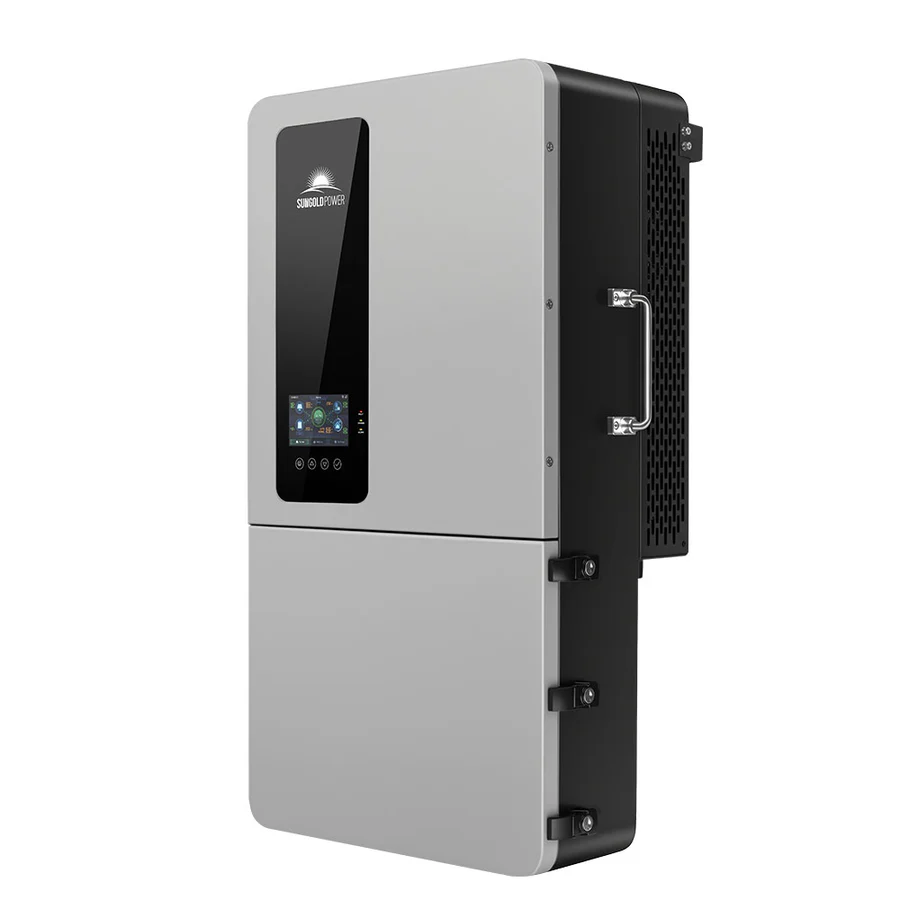
A hybrid inverter manages the flow of solar power, home loads, and battery storage. For this reason, battery sizing belongs in the same conversation as inverter sizing. You need the numbers from your load calculation sizing a hybrid inverter to choose the right amount of batteries. Picking the inverter without sizing a hybrid inverter or considering battery capacity can lead to a system that does not deliver power when the sun is not shining.
Hybrid inverter sizing resources often provide guidance for both inverter and battery selection. A free hybrid inverter sizing calculator can return figures for inverter kVA, battery capacity in amp-hours, and solar PV capacity in kilowatts. These figures make it easier to compare complete system options, especially when you are also deciding how much battery storage you need.
The battery bank should be sized to support the loads you identified in your simultaneous operating load calculation. If the inverter can deliver the power but the battery bank cannot store enough energy, the system will not meet your expectations during cloudy periods or at night.
Verify Your Sizing With a Calculator
Once you have worked through the basic load calculations, a hybrid inverter sizing calculator can act as a cross-check. Many calculators ask for the same inputs you already collected: your devices, their wattages, and the way they operate together. The result is a suggested inverter size, battery capacity, and solar input requirement.
Using a calculator does not replace the need to understand your own energy use. It simply organizes the numbers so you can compare models with more confidence. If the calculator result is very different from your manual estimate, review your load list to make sure you did not miss a device or double-count a large appliance.
Ask Yourself These Sizing Questions
-
Which devices must run at the same time in my home?
-
What is the wattage of each device on my list?
-
What is the maximum combined load of all simultaneously operating devices?
-
How large is my planned solar array in DC terms?
-
What is the expected inverter loading ratio for my design?
-
How much battery capacity do I need to support my loads when solar power is not available?
Answering these questions will give you the core numbers needed for sizing a hybrid inverter. The answers will also help you talk to suppliers and compare equipment with a clearer idea of what you are looking for.
Check Efficiency and Real-World Conditions
Inverter efficiency has a direct effect on system performance. Inverters work most efficiently when operating near their maximum capacity, so a dramatically oversized inverter may spend much of its time in a less efficient range. A model that is too small, on the other hand, may not handle your maximum simultaneous load.
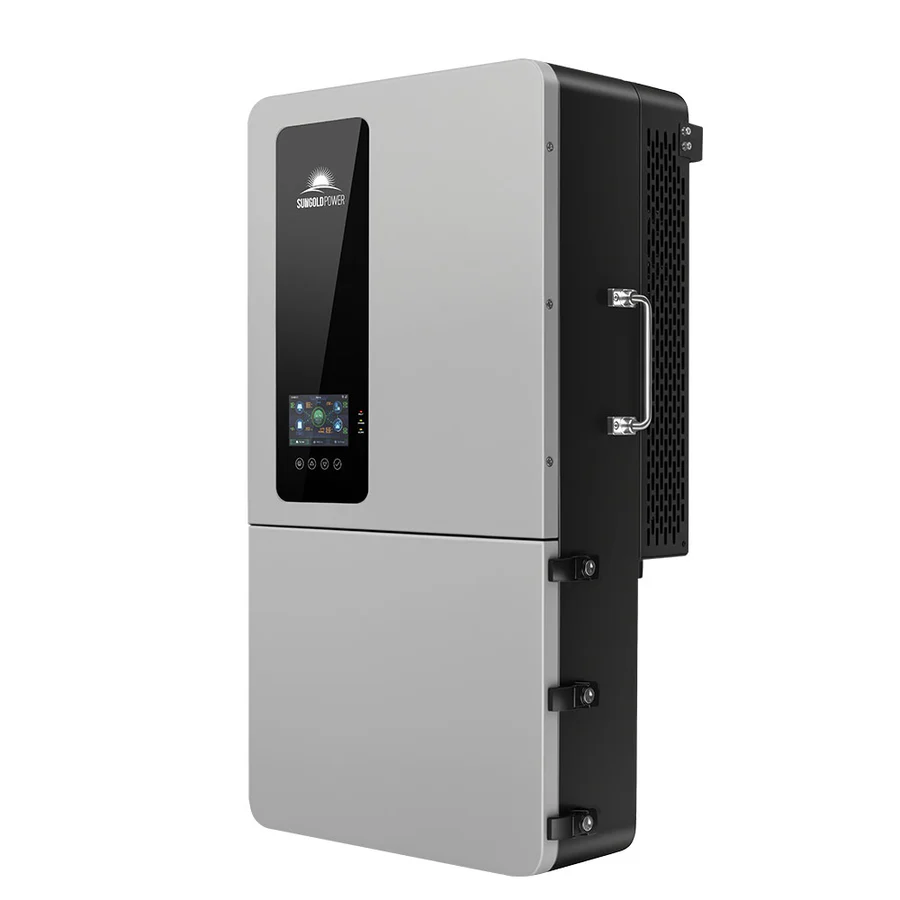
The right hybrid inverter fits the load profile of your home, the output of your solar array, and the capacity of your battery bank. Conditions such as your local climate and how you expect to use the system will influence the final choice. When you gather the load numbers first, the decision becomes much easier.
Frequently Asked Questions
How do I calculate what size inverter I need?
Start by listing every device you plan to power and its wattage. Then identify which devices can run at the same time and add their wattages together. That total is the maximum operating load. Choose a hybrid inverter that can handle this load while also working with your solar array and battery bank. The calculation is the foundation of the whole design.
What is the first step in sizing a hybrid inverter?
The first step is calculating your energy needs. Write down all the devices you plan to power and their wattages. From there, determine the maximum load your home will place on the system at any one time. This number becomes the main reference point for selecting an inverter size and for comparing models.
Should my solar array be larger than my inverter?
It often makes sense to oversize the solar array so the DC-to-AC ratio is greater than 1. Common inverter loading ratios sit between 1.13 and 1.30. This can help the inverter operate near its rated capacity more often. The exact ratio depends on your equipment, location, and system design.
Why does the maximum simultaneous load matter?
The inverter must handle the combined power draw of every appliance that could run at the same time. If you size based on a single device, the system may struggle when several appliances operate together. Calculating simultaneous power is one of the first steps in choosing a hybrid inverter and helps prevent undersizing.
Do I need to choose the inverter and battery at the same time?
Sizing a system means selecting the right inverter, the right battery capacity, and the right solar panel input together. The load numbers you calculate for the inverter are the same numbers used to decide how much battery storage you need. A hybrid inverter sizing calculator can help you compare these values across different configurations.