
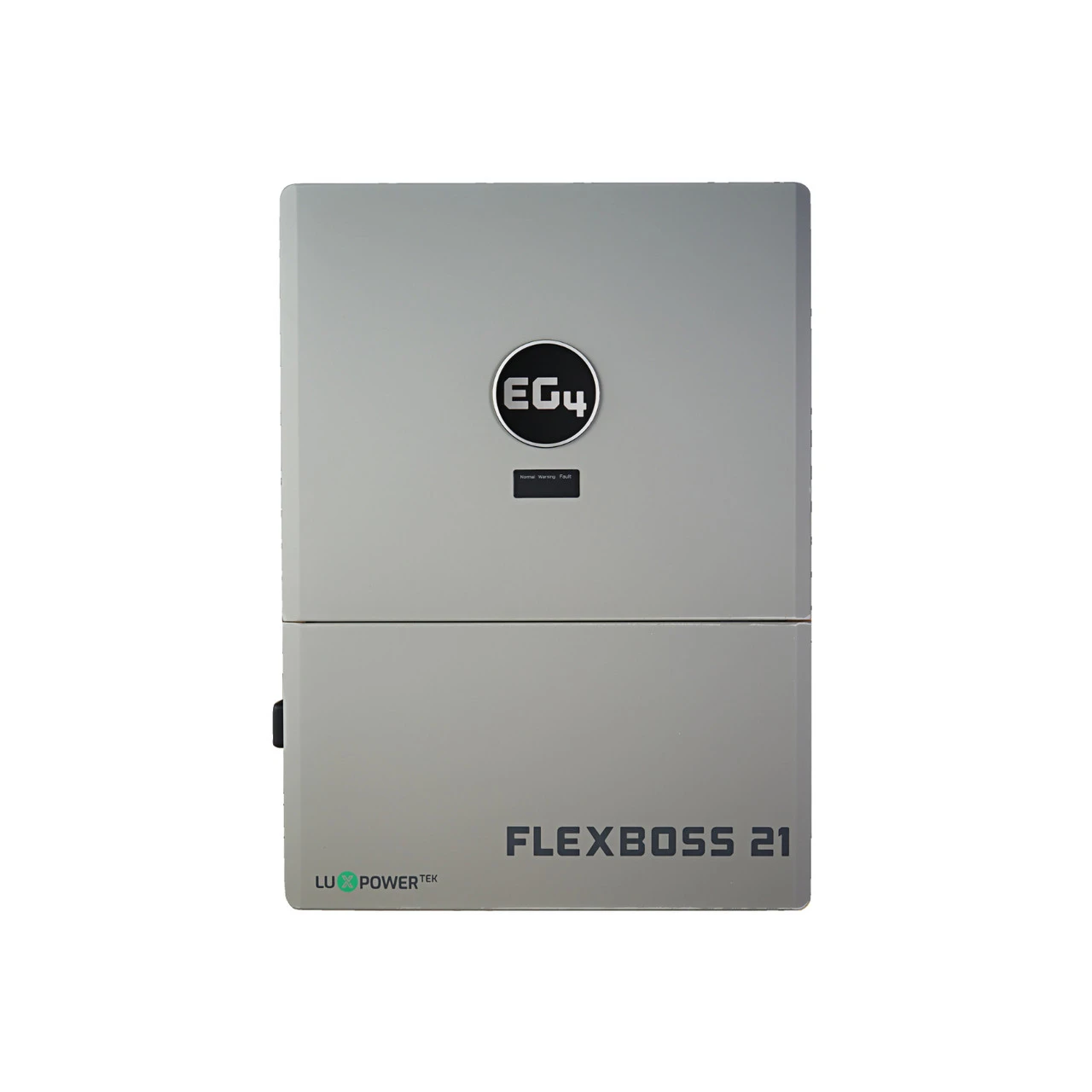
A hybrid inverter system puts the two halves of a solar setup into a single piece of equipment: the part that turns panel output into usable power, and the part that charges and discharges a battery. That one change affects how a building runs during an outage, how much of its own solar production it actually uses, and how many boxes end up mounted on the wall.
People come to hybrid inverter systems for different reasons. One buyer has a cabin running on panels and batteries. Another wants backup power at home without adding a separate battery charger. A third is planning a first solar build that should be able to grow later. The sections below cover what hybrid inverters do, where they fit, and which details decide whether a purchase works out.
What a Hybrid Inverter System Does
Hybrid inverter systems convert solar energy, store excess power in batteries, and manage home energy use for reliable power. The equipment itself is described simply: a hybrid solar inverter is created by combining a solar inverter and a battery inverter into one unit. That allows it to handle power coming from solar panels, solar batteries, and the utility grid intelligently, without separate hardware for each job.
Some industry descriptions frame the same idea in different terms, calling a hybrid inverter a device that combines the capabilities of a microinverter and a battery charger into a single unit. The wording varies by manufacturer, but the theme is consistent. Consolidation is the point. Instead of one box converting solar output and another managing the battery bank, one unit coordinates both, and often the grid connection as well.
How Power Moves Through a Hybrid Inverter
The easiest way to understand a hybrid inverter is to follow the three power sources it works with. Each one behaves differently, and the inverter’s job is to keep them in balance.
Power source | What the hybrid inverter does with it |
|---|---|
Solar panels | Converts panel output into usable power for the building and routes surplus energy to the battery bank |
Battery bank | Charges the bank when production is high and draws from it when production drops or the grid goes down |
Utility grid | Unlike standard solar power inverters, a hybrid power inverter can take excess power from the grid and store it as DC power for the battery system |
That third row is where hybrid equipment separates itself from a basic grid-tie setup. Pulling from the grid to charge a battery is what allows a hybrid system to keep a bank topped up overnight or ahead of a storm, rather than relying only on what the panels produced that day.
Energy Independence and Self-Consumption
Hybrid inverters offer a much higher level of energy independence by sourcing electricity from solar panels and storage batteries, which reduces reliance on utility supply. The mechanism behind that independence is self-consumption. Hybrid inverters sit at the heart of any cost-effective solar battery storage system because they store excess solar energy to increase self-consumption instead of exporting it.
In practice, that means the power a building generates in the middle of the day does not simply leave the property. It charges a battery and comes back later when the building needs it. For owners who care more about resilience than about export credits, that shift in flow is the main reason to choose hybrid hardware over a plain inverter.
Where Hybrid Inverter Systems Fit Best
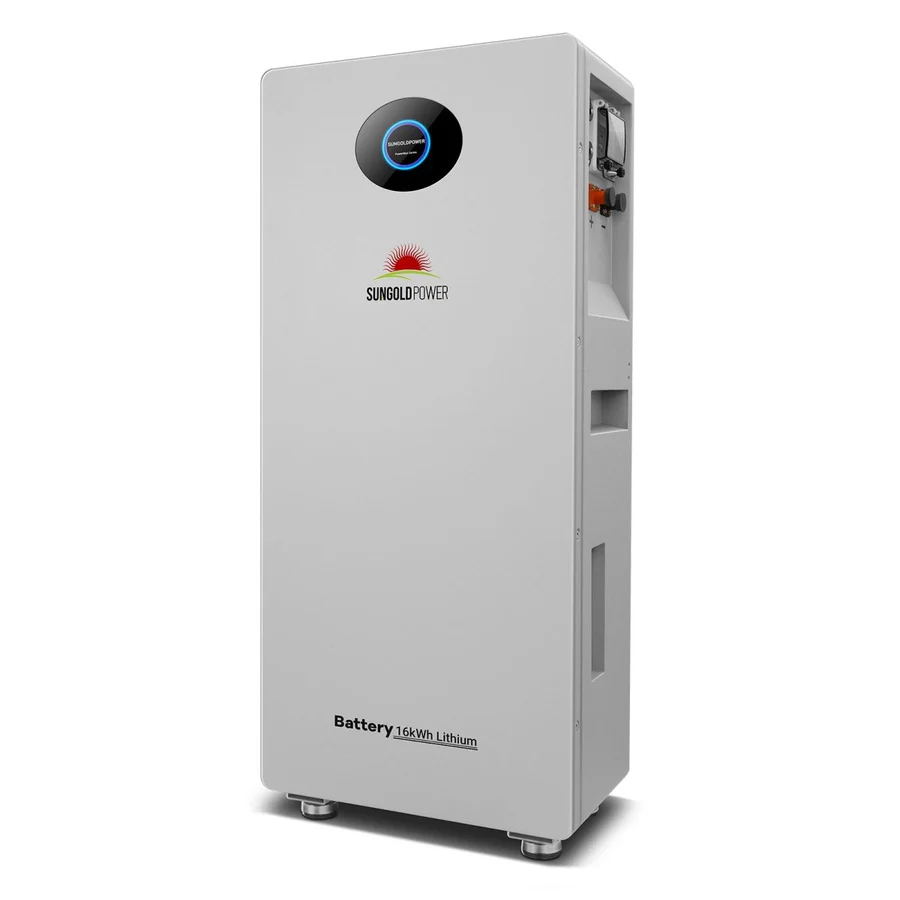
Hybrid inverters are designed for off-grid and backup power systems, and the product lines built around them emphasize efficient operation, straightforward installation, and durable construction. The applications covered by manufacturers are broad. A hybrid inverter is commonly positioned as a fit for powering an RV, a cabin, or a home, which tells you the category spans mobile setups and permanent buildings alike.
Remote cabins and off-grid homes that need battery storage as the primary power source
Grid-connected houses that want backup power during outages
RVs and mobile builds where one compact unit replaces several components
Light commercial sites that need stored power during demand peaks or interruptions
If a property has no grid connection at all, the battery and solar side of a hybrid inverter does the heavy lifting. If a property does have a grid connection, the inverter adds a layer of protection on top of it, which is the scenario most homeowners are shopping for.
Hybrid Inverter vs a Standard Solar Inverter
The category exists because a standard solar inverter alone does not deliver the flexibility of a battery inverter. A hybrid solar inverter is built by combining a solar inverter and a battery inverter into a single unit, which is what lets it manage panels, batteries, and the grid together.
Published comparisons of hybrid inverter models tend to focus heavily on 48V units, which is a useful signal for anyone building a battery-based system. Still, the market is not uniform. Feature sets, supported battery types, and backup behavior vary from one brand to the next, so the spec sheet for a specific model is the only reliable place to confirm what it can and cannot do.
What to Compare Before You Buy
Because hybrid inverter systems combine several jobs into one box, the shopping checklist is longer than it is for a simple inverter. These are the items worth confirming before ordering.
Battery compatibility. Confirm which battery voltages and brands the inverter supports. A hybrid unit is only as useful as the bank behind it.
Grid interaction. Decide whether you want grid charging for the battery, and check that the model you pick supports the behavior you expect.
Backup and off-grid design. Not all hybrid models are positioned for backup duty. If outages are the priority, look for equipment marketed for off-grid and backup power systems.
Brand support and parts. EG4, Growatt, and Victron are among the names carried in this category, and support and replacement parts matter as much as the spec sheet.
Kit versus components. Bundled kits remove the guesswork of matching an inverter to a battery and panels, while component builds give you more control over sizing.
Batteries That Pair With Hybrid Inverters
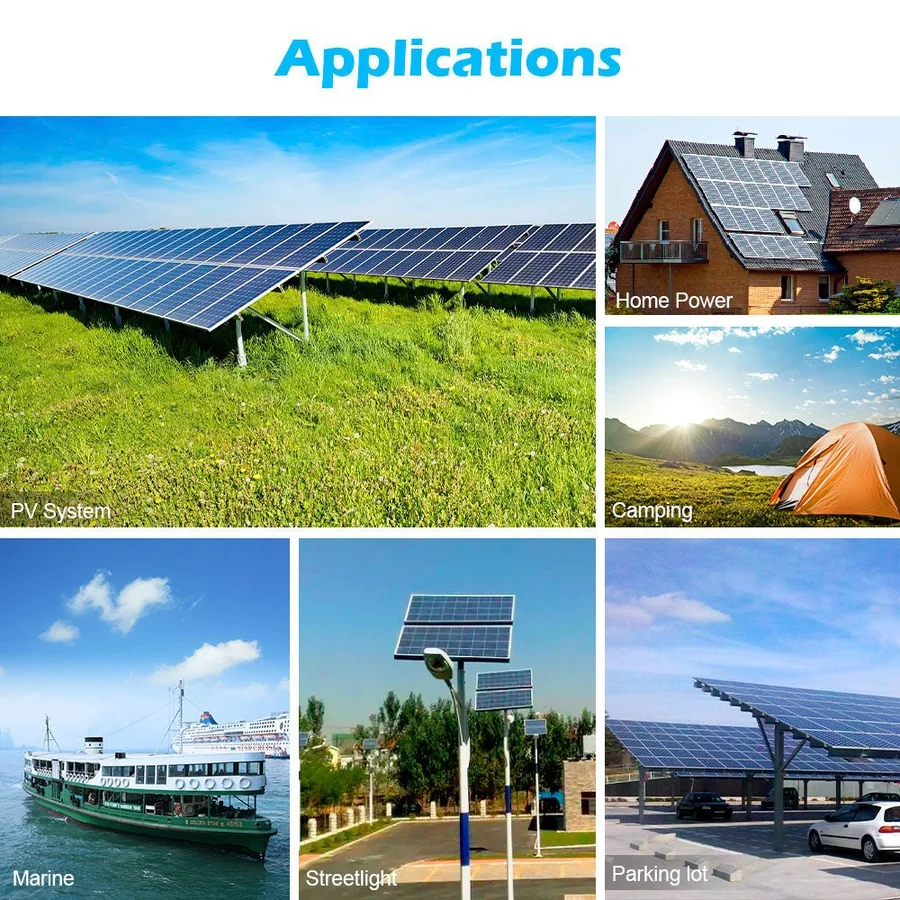
Lithium iron phosphate (LiFePO4) is the dominant chemistry for the battery banks sold alongside hybrid inverters today. These batteries come in several physical formats, including wall mount, rack mount, and powerwall-style enclosures, and the format usually follows the installation space rather than the electrical design.
What matters electrically is the match between the bank and the inverter. Voltage, charge profile, and communication between the two devices all need to line up. When a bank and inverter are quoted together as a bundle, that matching work is already done, which is one reason complete kits are popular with first-time builders.
Kits, Bundles, or Piece by Piece
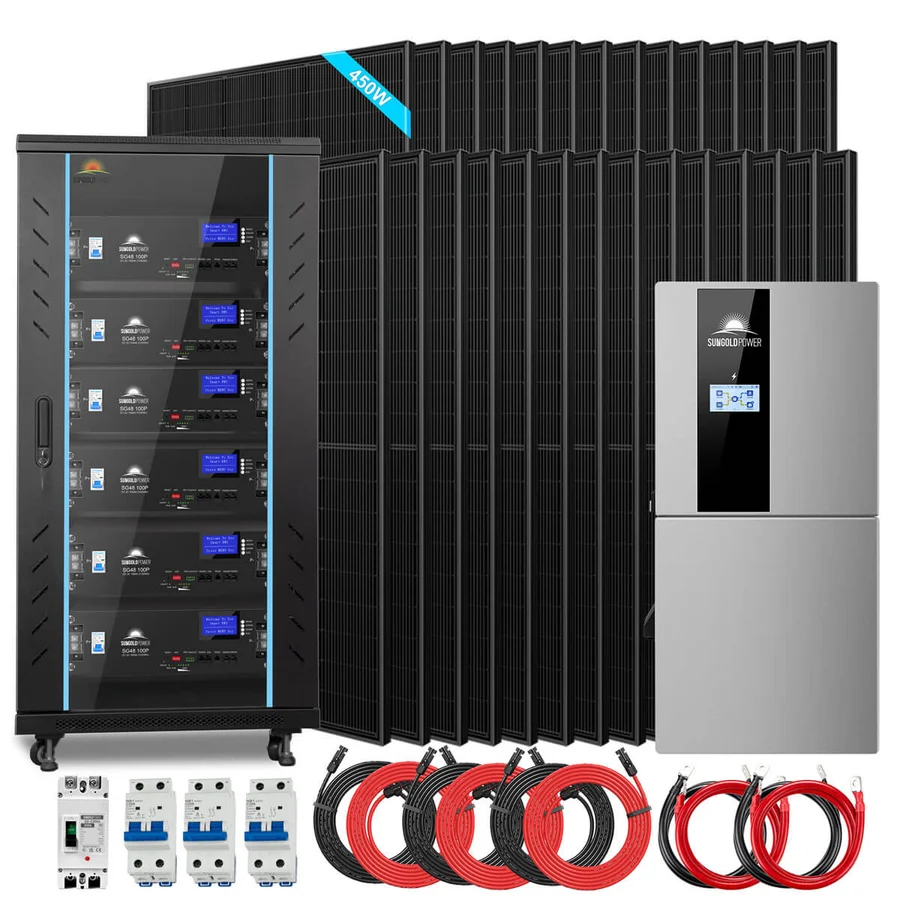
Solar retail catalogs typically split the category into off-grid solar kits, hybrid solar kits, grid-tie solar kits, and mobile solar kits. Hybrid kits sit in the middle of that range, combining the storage focus of an off-grid kit with the grid interaction of a grid-tie setup.
Buying a complete bundle normally means panels, inverter, and battery arrive as one matched package with a single set of instructions. Buying piece by piece costs more time but lets you trade up on one component without replacing the others. Neither route is wrong. The decision usually comes down to how confident you are in sizing the system yourself.
Pros and Cons of Going Hybrid
The upside of hybrid equipment is consolidation and control. One unit manages solar input, battery charging, and grid interaction, which reduces the number of separate components and lets the system use stored energy to raise self-consumption. Coverage published in January 2026 continues to describe hybrid inverter system solutions in these terms: converting solar energy, storing excess power in batteries, and managing home energy use.
The trade-offs are worth naming honestly. The storage benefits only materialize when a compatible battery bank is part of the build, so a hybrid inverter paired with no battery is an expensive way to do a simple job. Matching also takes attention, because a bank that does not speak the inverter’s language will not deliver the coordination the design promises. Buyers who want a smaller project should confirm whether a straightforward inverter is enough before paying for hybrid capability.
Buying Hybrid Inverter Systems in 2026
Availability is not the problem in 2026. The category is well stocked, with hybrid inverters listed for off-grid, hybrid, and grid-tie systems from names like EG4, Growatt, and Victron. The harder part is picking the model that matches your battery, your backup expectations, and your installation site.
SolarFactoryOutlet.net stocks hybrid inverters, LiFePO4 batteries in wall mount, rack mount, and powerwall formats, and complete kits that bundle panels, inverter, and battery together. Orders typically ship within 1 to 7 business days, and the support team can help confirm compatibility before a system leaves the warehouse. Specifications change between production runs, so verify the current spec sheet for any model before finalizing a design.
Frequently Asked Questions
What is a hybrid inverter system?
A hybrid inverter system converts solar energy, stores excess power in batteries, and manages home energy use. In equipment terms, a hybrid solar inverter is created by combining a solar inverter and a battery inverter into one unit, so it can handle power coming from solar panels, solar batteries, and the utility grid together rather than relying on separate devices for each job.
What is the difference between a hybrid inverter and a regular inverter?
A regular solar inverter turns panel output into usable power, while a hybrid unit adds the flexibility of a battery inverter to that same piece of equipment. That combined design lets it charge and discharge a battery bank, manage grid interaction, and support backup power. Buyers who want storage or outage protection usually need the hybrid version rather than a plain inverter.
What are the downsides of a hybrid inverter?
The main trade-offs come down to matching. A hybrid inverter only delivers its storage benefits when it is paired with a compatible battery bank, and not every model is built for off-grid and backup duty. Before buying, confirm the battery voltage and brand the unit supports, and check whether the model is designed for the way you plan to use it.
How long does a hybrid inverter battery last?
Published sources do not give a single lifespan figure for hybrid inverter batteries. Battery life depends on chemistry, how deeply the bank is discharged, and how often it cycles. LiFePO4 batteries are the most common pairing for hybrid systems sold in North America, and the battery manufacturer’s own cycle rating and warranty terms are the numbers worth checking.